







MUSCAT: Recent global developments have underscored the growing importance of marine insurance and war-risk coverage, placing new pressures on the insurance sector.
Before the conflict, an average of 120 to 140 ships crossed the Strait of Hormuz daily. That number has now dropped sharply — by as much as 95 per cent — with current figures indicating just five vessels, highlighting the scale of disruption.
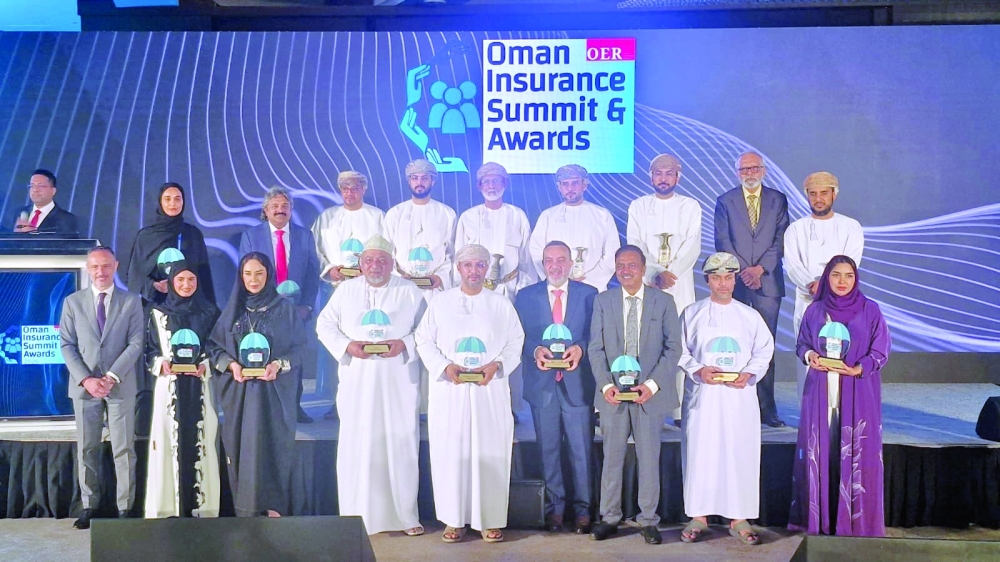
“This is one of the main challenges we are facing today as an insurance sector, and it is impacting economic activity,” said Maali bint Salim al Majarfi, Acting Director of the Issues and Financial Instruments Department at the Financial Services Authority (FSA), speaking at the Oman Insurance Summit and Awards 2026 organised by OER.
She noted that war-risk coverage, once priced at minimal levels, is now undergoing a significant shift. “This unexpected risk has changed the landscape. Things may never be the same, even decades from now, because we have seen how real these risks are,” she said.
The summit, held under the theme of enhancing insurance penetration, GDP contribution, and Omanisation, also explored opportunities and challenges in Takaful insurance and the role of digital transformation in shaping the sector under Oman Vision 2040.
A key concern highlighted was Oman’s low insurance penetration rate, reflecting a gap across individuals and businesses.
“Insurance is not just a financial product — it is an economic enabler,” Al Majarfi said, explaining that higher penetration supports GDP growth, strengthens financial stability, ensures business continuity, and enhances the country’s attractiveness to investors.
Over the past three to four years, Oman’s insurance penetration has ranged between 1.2 and 1.4 per cent — below both GCC and global averages — indicating significant untapped potential.
However, several challenges persist, including limited public awareness, product relevance, price sensitivity, and issues of trust and perceived value.
“Our products do not always address the real needs of customers,” she noted, adding that cost remains a primary concern for many.
Looking ahead, digital accessibility is expected to play a central role in driving growth. “Improving access and convenience through digital solutions can enhance awareness and build a stronger insurance culture,” she said.
Strengthening market capacity and resilience is also critical to reducing reliance on international insurers — an issue brought into sharp focus by recent global events.
“The role of government is evolving from regulator to market enabler,” Al Majarfi said, pointing to initiatives such as the Dhamani insurance platform, updated regulations, and efforts to develop actuarial expertise within Oman.
The sector is also witnessing the introduction of new insurance products tailored to emerging needs. These include motor natural catastrophe coverage, third-party motor insurance enhancements, and proposed defect liability insurance, expected to be launched by early 2027.
Additional initiatives are under way in agriculture, livestock, artisanal fishing, and domestic worker protection, alongside specialised coverage for adventure tourism activities developed in collaboration with the Ministry of Heritage and Tourism.
Efforts are also ongoing with the Ministry of Culture, Sports and Youth, reflecting a broader push to align insurance solutions with evolving economic sectors.
The FSA is simultaneously working on legislative reforms aimed at increasing local retention capacity and reducing dependence on external markets.
“This is a shared responsibility,” she emphasised. “Regulation alone cannot drive change. The market must innovate, anticipate risks and develop proactive solutions rather than reacting after risks occur.”
With Oman Vision 2040 opening new avenues across sectors such as tourism, agriculture, SMEs, and renewable energy, the insurance industry is expected to play a pivotal role in supporting sustainable growth.
“When regulators and market players move in the same direction, the outcome is a stronger, more resilient economy,” Al Majarfi said.
Oman Observer is now on the WhatsApp channel. Click here


